Posted on

Aviation Supply Chain Crisis Costs Airlines $11 Billion in 2025

Aircraft and airline operations

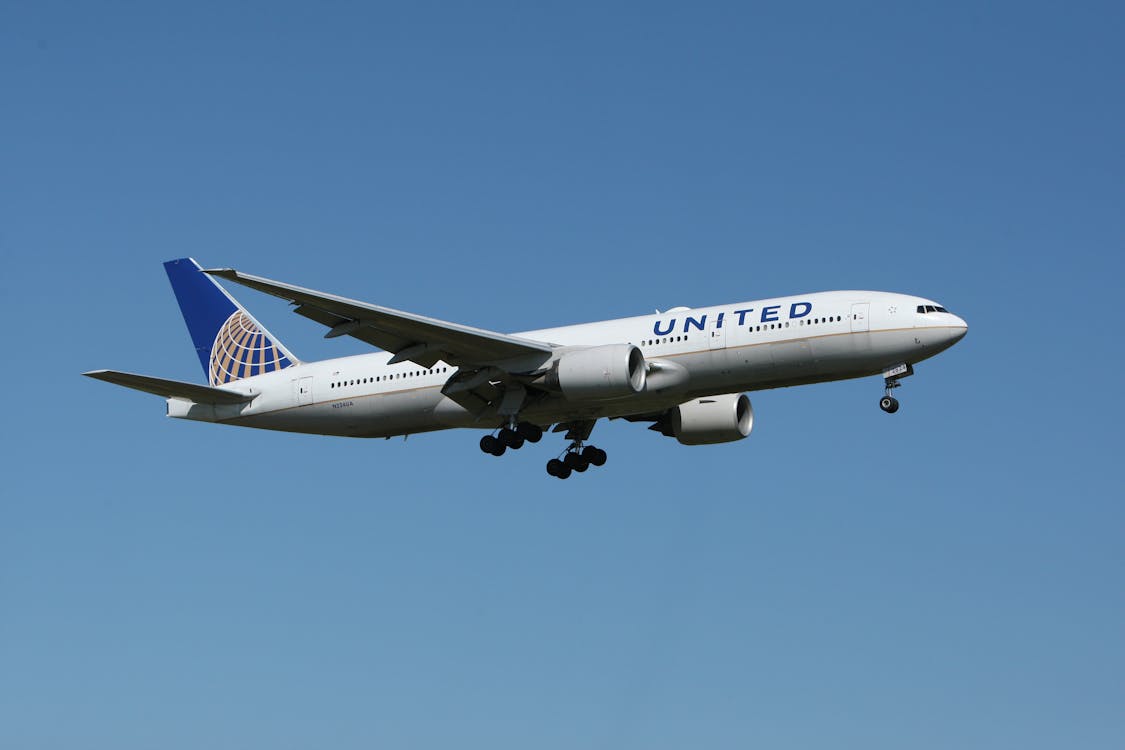
A new study by IATA and Oliver Wyman reveals that aviation supply chain disruptions will cost airlines more than $11 billion in 2025. The findings highlight ongoing challenges that show no signs of abating—and significant implications for aircraft operators at every level.

Breaking Down the $11 Billion

The costs break down across four major categories:

  • Excess fuel costs: $4.2 billion — Airlines are flying older, less fuel-efficient aircraft because new deliveries are delayed
  • Maintenance costs: $3.1 billion — Aging fleets require more frequent and expensive maintenance
  • Engine leasing: $2.6 billion — Lease rates have jumped 20-30% since 2019
  • Surplus inventory: $1.4 billion — Airlines are stockpiling spare parts to guard against unpredictable shortages

MRO Industry Under Pressure

For the Maintenance, Repair, and Overhaul (MRO) sector, parts shortages translate directly into longer turnaround times. A recent industry survey found that 75% of respondents reported worse turnaround times for engines and APUs compared to last year.

No part of the aircraft has been spared. Half or more of survey respondents reported deteriorating performance across nearly all component categories—from avionics to landing gear.

Wait times for engine repairs have surged by 150% for modern powerplants and 35% for older models. The result: aircraft sitting idle while airlines scramble to find available shop slots and parts.

The Backlog Problem

The unfilled aircraft order backlog now exceeds 17,000 jets—its highest level ever. At current production rates, clearing this backlog would take 14 years, double the wait time that existed before 2019.

More than half of industry respondents expect supply chain challenges to persist for at least another 18 months. Some executives predict disruptions lasting three to five years.

Labor Adds to the Challenge

Parts availability is only part of the equation. The average age of a U.S. aircraft mechanic exceeds 50, and the shortage of certified mechanics is projected to reach 19% by 2028. Fewer hands means longer maintenance queues, regardless of parts availability.

What Operators Can Do

Smart operators are adapting to the new reality:

  • Strategic stockpiling: Building inventory of high-demand parts before they’re needed
  • Diversified suppliers: Reducing dependence on single-source components
  • Predictive maintenance: Using data to anticipate failures before they ground aircraft
  • Alternative sourcing: Exploring PMA parts and approved repairs where appropriate

The Bottom Line

Aviation’s supply chain challenges aren’t going away soon. For aircraft owners and operators, proactive parts management is no longer optional—it’s essential for keeping aircraft flying and costs under control.

The industry’s fragility has been exposed. Those who adapt their procurement strategies now will be better positioned to weather continued turbulence in the years ahead.
Posted on

FAA MOSAIC Rule: Sport Pilots Can Now Fly Cessna 172s and Piper Cherokees

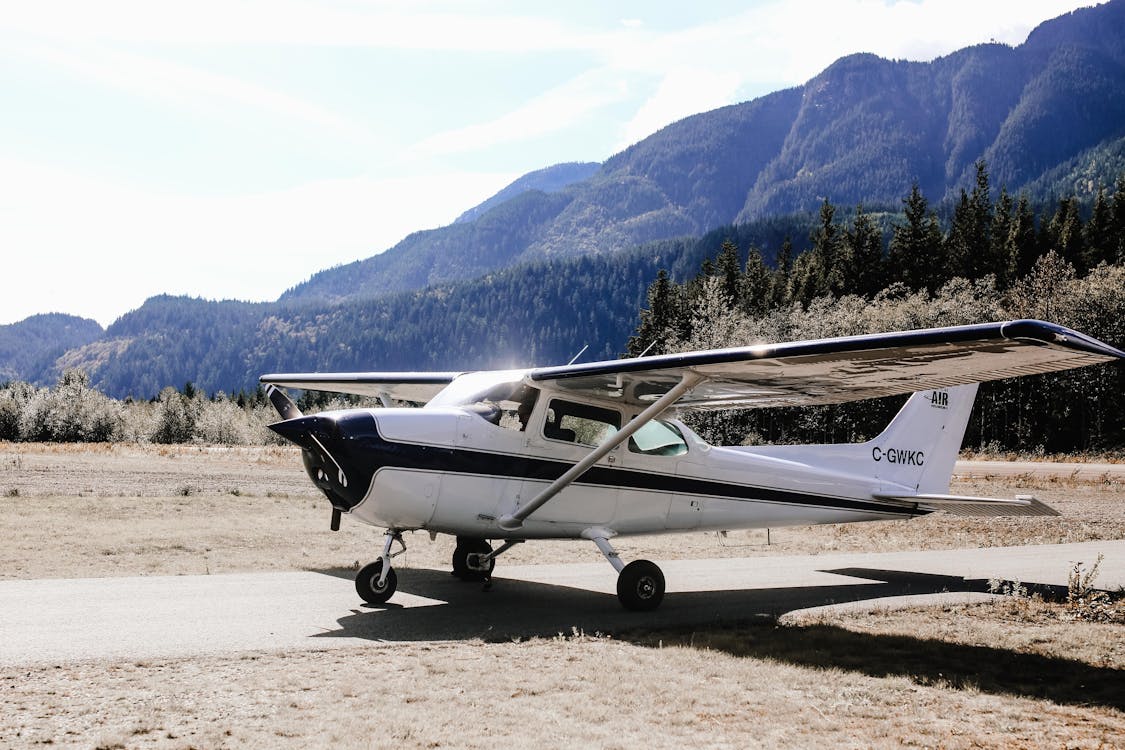
Cessna 172 on mountain runway

The FAA’s MOSAIC rule, which took effect October 22, 2025, represents the biggest change to light sport aviation since the category was created in 2004. Sport pilots can now fly approximately three-quarters of the general aviation fleet—including popular aircraft like the Cessna 172 and Piper Cherokee.

What Changed

Previously, sport pilots were limited to aircraft weighing no more than 1,320 pounds with a maximum of two seats. The new rules eliminate weight-based restrictions entirely, replacing them with performance criteria.

Under MOSAIC, Light Sport Aircraft must have:

  • Maximum stall speed of 59 knots (or 61 knots with a clean wing configuration)
  • No more than four seats
  • Single pilot operation capability

This means aircraft like the Cessna 172 Skyhawk, Piper PA-28 Cherokee, and many other four-seat singles now qualify for sport pilot operations.

What This Means for Pilots

Sport pilots can still use a valid driver’s license in lieu of an FAA medical certificate for daytime VFR operations. Night flying requires either a FAA medical or BasicMed compliance, plus additional instructor endorsements.

While sport pilots can now fly four-seat aircraft, they remain limited to carrying one passenger. The additional seats could be used for baggage or removed entirely.

The rule also opens limited commercial operations to sport pilots, including pipeline patrol, aerial photography, and glider towing—with appropriate training and endorsements.

Impact on Flight Training

Flight schools are expected to see increased demand for sport pilot training. With access to more capable aircraft, the sport pilot certificate becomes a more attractive option for recreational flyers who don’t want to pursue a full private pilot certificate.

Instructors will need to provide specific endorsements for sport pilots transitioning to higher-performance aircraft, creating new training opportunities throughout the industry.

Aircraft Owners Take Note

If you own a qualifying aircraft, you may see increased demand from sport pilots wanting to rent or purchase. Aircraft values for MOSAIC-eligible models could see upward pressure as the pool of potential operators expands significantly.

The key specification to watch is stall speed. Aircraft with Vs1 at or below 59 knots CAS (at max gross weight) qualify under the new rules. Check your POH for specific numbers.

Looking Ahead

The second phase of MOSAIC, affecting airworthiness certification for new aircraft, takes effect July 24, 2026. This will allow manufacturers to produce new LSA designs with capabilities that would have been impossible under the old rules—including retractable gear, higher speeds, and electric propulsion systems.

The FAA’s MOSAIC rule represents a fundamental shift in how America regulates recreational aviation. For pilots, aircraft owners, and the aviation parts industry, the ripple effects will be felt for years to come.

Posted on

DC-3 Turns 90: Celebrating Aviations Most Legendary Aircraft

Classic DC-3 propeller aircraft

Today marks the 90th anniversary of one of aviation’s most legendary aircraft. On December 17, 1935, the Douglas DC-3 took to the skies for the first time, forever changing commercial aviation and military airlift operations.

90 Years and Still Flying

Remarkably, more than 150 DC-3s remain airworthy today. The aircraft that revolutionized air travel in the 1930s continues to serve operators around the world, a testament to its rugged design and timeless engineering.

The DC-3 Society is marking this milestone with a week-long broadcast series featuring pilots, historians, and enthusiasts who keep the “Gooney Bird” flying. Today’s main event, “Wings of Legacy,” includes a screening of the award-winning documentary Into Flight Once More, narrated by Gary Sinise.

The Aircraft That Changed Everything

Before the DC-3, commercial air travel was expensive, uncomfortable, and often unreliable. The DC-3 changed all of that. Its 21-passenger capacity, reliable twin-engine design, and unprecedented range made profitable airline operations possible for the first time.

During World War II, the military version (designated C-47 Skytrain) became the backbone of Allied transport operations. General Dwight D. Eisenhower called it one of the four most important tools that won the war, alongside the bulldozer, jeep, and 2.5-ton truck.

Parts and Maintenance: A Living Legacy

Keeping DC-3s flying requires a dedicated community of mechanics, parts suppliers, and restoration specialists. Original parts are increasingly scarce, leading to a thriving market for PMA (Parts Manufacturer Approval) components and careful restoration of salvaged airframes.

The aircraft’s radial engines—typically Pratt & Whitney R-1830 Twin Wasps—require specialized knowledge that fewer mechanics possess each year. Organizations like the DC-3 Society work to preserve this expertise through training programs and documentation efforts.

What’s Next

The DC-3 Society has launched a $19,350 fundraising campaign (a nod to 1935) to support preservation efforts and educational programs. Their goal: ensuring the DC-3 continues inspiring future generations of aviators and aviation enthusiasts.

As we celebrate 90 years of the DC-3, the aircraft stands as proof that great engineering transcends generations. Here’s to the next chapter in the remarkable story of aviation’s most enduring workhorse.