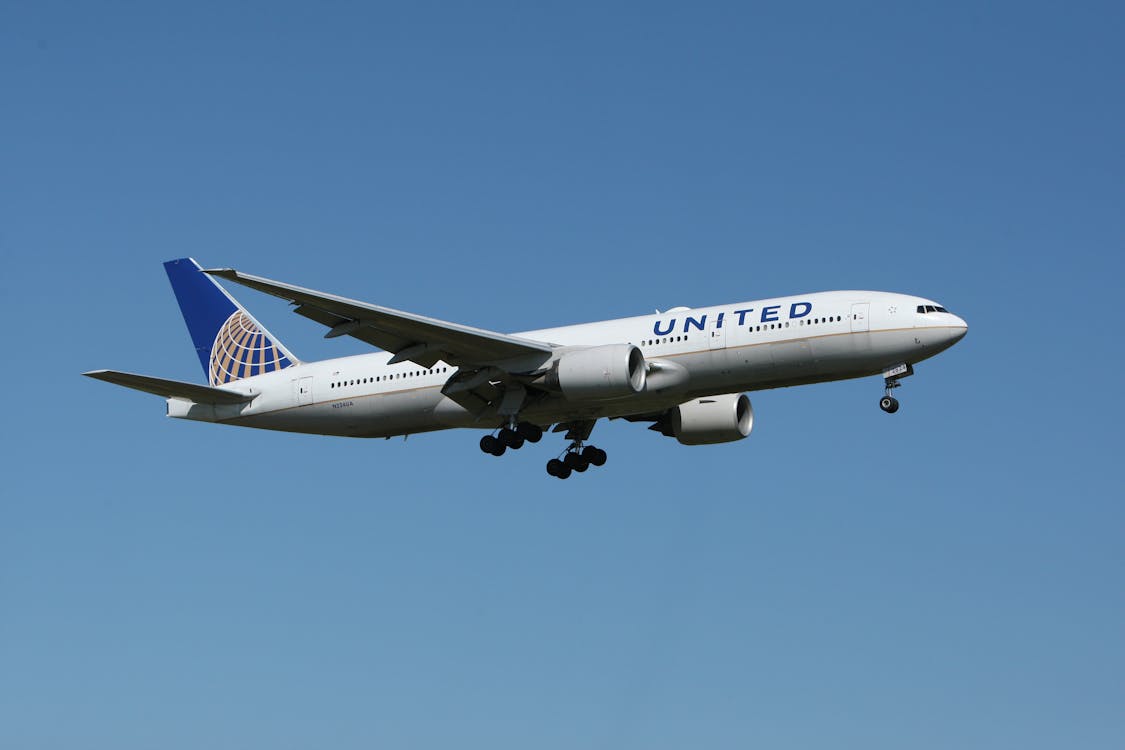
A new study by IATA and Oliver Wyman reveals that aviation supply chain disruptions will cost airlines more than $11 billion in 2025. The findings highlight ongoing challenges that show no signs of abating—and significant implications for aircraft operators at every level.
Breaking Down the $11 Billion
The costs break down across four major categories:
- Excess fuel costs: $4.2 billion — Airlines are flying older, less fuel-efficient aircraft because new deliveries are delayed
- Maintenance costs: $3.1 billion — Aging fleets require more frequent and expensive maintenance
- Engine leasing: $2.6 billion — Lease rates have jumped 20-30% since 2019
- Surplus inventory: $1.4 billion — Airlines are stockpiling spare parts to guard against unpredictable shortages
MRO Industry Under Pressure
For the Maintenance, Repair, and Overhaul (MRO) sector, parts shortages translate directly into longer turnaround times. A recent industry survey found that 75% of respondents reported worse turnaround times for engines and APUs compared to last year.
No part of the aircraft has been spared. Half or more of survey respondents reported deteriorating performance across nearly all component categories—from avionics to landing gear.
Wait times for engine repairs have surged by 150% for modern powerplants and 35% for older models. The result: aircraft sitting idle while airlines scramble to find available shop slots and parts.
The Backlog Problem
The unfilled aircraft order backlog now exceeds 17,000 jets—its highest level ever. At current production rates, clearing this backlog would take 14 years, double the wait time that existed before 2019.
More than half of industry respondents expect supply chain challenges to persist for at least another 18 months. Some executives predict disruptions lasting three to five years.
Labor Adds to the Challenge
Parts availability is only part of the equation. The average age of a U.S. aircraft mechanic exceeds 50, and the shortage of certified mechanics is projected to reach 19% by 2028. Fewer hands means longer maintenance queues, regardless of parts availability.
What Operators Can Do
Smart operators are adapting to the new reality:
- Strategic stockpiling: Building inventory of high-demand parts before they’re needed
- Diversified suppliers: Reducing dependence on single-source components
- Predictive maintenance: Using data to anticipate failures before they ground aircraft
- Alternative sourcing: Exploring PMA parts and approved repairs where appropriate
The Bottom Line
Aviation’s supply chain challenges aren’t going away soon. For aircraft owners and operators, proactive parts management is no longer optional—it’s essential for keeping aircraft flying and costs under control.
The industry’s fragility has been exposed. Those who adapt their procurement strategies now will be better positioned to weather continued turbulence in the years ahead.