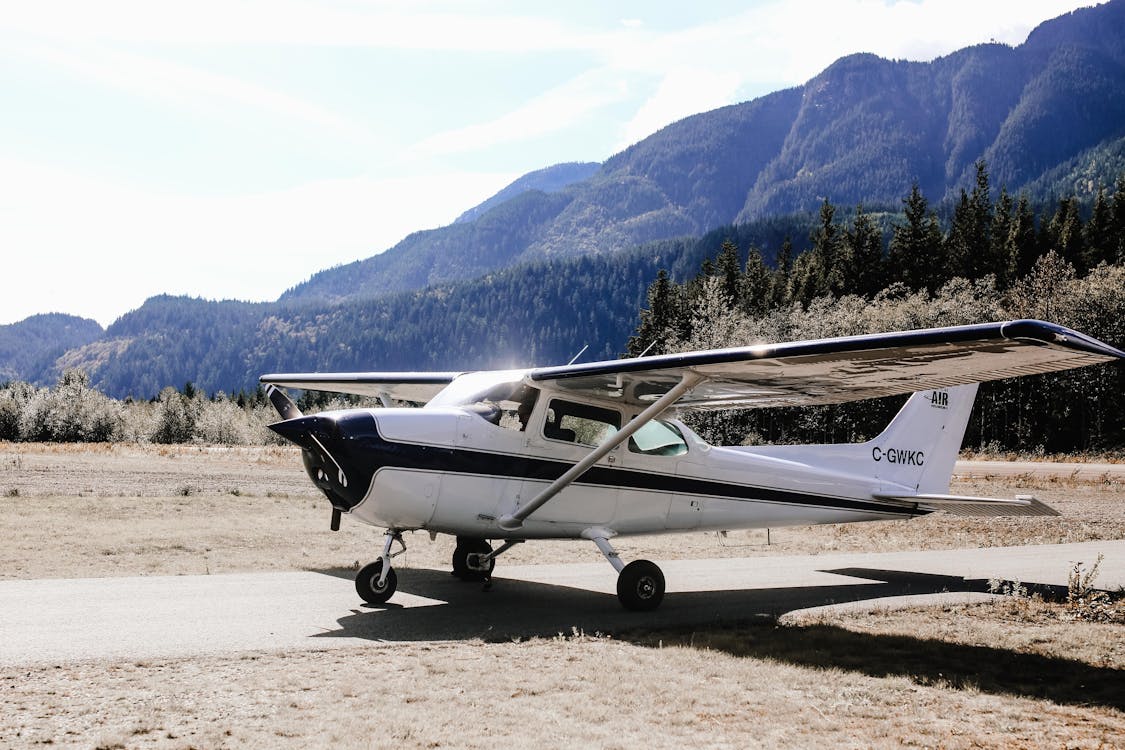
The FAA’s MOSAIC rule, which took effect October 22, 2025, represents the biggest change to light sport aviation since the category was created in 2004. Sport pilots can now fly approximately three-quarters of the general aviation fleet—including popular aircraft like the Cessna 172 and Piper Cherokee.
What Changed
Previously, sport pilots were limited to aircraft weighing no more than 1,320 pounds with a maximum of two seats. The new rules eliminate weight-based restrictions entirely, replacing them with performance criteria.
Under MOSAIC, Light Sport Aircraft must have:
- Maximum stall speed of 59 knots (or 61 knots with a clean wing configuration)
- No more than four seats
- Single pilot operation capability
This means aircraft like the Cessna 172 Skyhawk, Piper PA-28 Cherokee, and many other four-seat singles now qualify for sport pilot operations.
What This Means for Pilots
Sport pilots can still use a valid driver’s license in lieu of an FAA medical certificate for daytime VFR operations. Night flying requires either a FAA medical or BasicMed compliance, plus additional instructor endorsements.
While sport pilots can now fly four-seat aircraft, they remain limited to carrying one passenger. The additional seats could be used for baggage or removed entirely.
The rule also opens limited commercial operations to sport pilots, including pipeline patrol, aerial photography, and glider towing—with appropriate training and endorsements.
Impact on Flight Training
Flight schools are expected to see increased demand for sport pilot training. With access to more capable aircraft, the sport pilot certificate becomes a more attractive option for recreational flyers who don’t want to pursue a full private pilot certificate.
Instructors will need to provide specific endorsements for sport pilots transitioning to higher-performance aircraft, creating new training opportunities throughout the industry.
Aircraft Owners Take Note
If you own a qualifying aircraft, you may see increased demand from sport pilots wanting to rent or purchase. Aircraft values for MOSAIC-eligible models could see upward pressure as the pool of potential operators expands significantly.
The key specification to watch is stall speed. Aircraft with Vs1 at or below 59 knots CAS (at max gross weight) qualify under the new rules. Check your POH for specific numbers.
Looking Ahead
The second phase of MOSAIC, affecting airworthiness certification for new aircraft, takes effect July 24, 2026. This will allow manufacturers to produce new LSA designs with capabilities that would have been impossible under the old rules—including retractable gear, higher speeds, and electric propulsion systems.
The FAA’s MOSAIC rule represents a fundamental shift in how America regulates recreational aviation. For pilots, aircraft owners, and the aviation parts industry, the ripple effects will be felt for years to come.