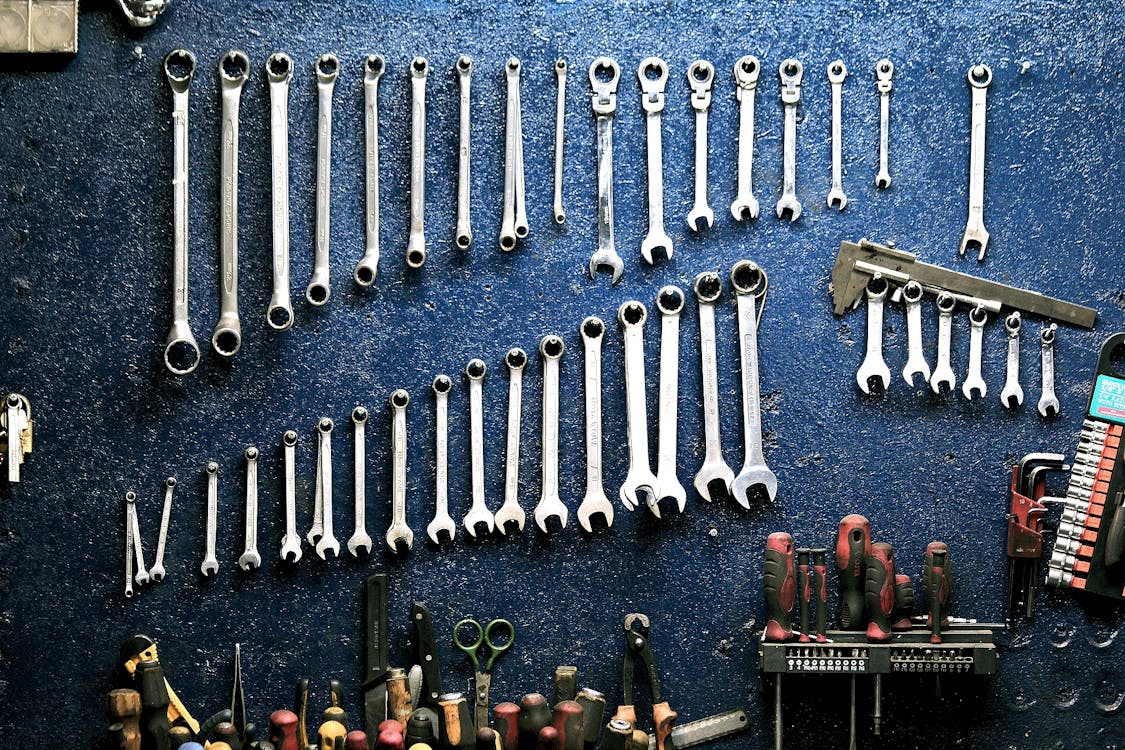
Whether you’re performing owner-assisted maintenance or building your first tool kit for annual inspections, having the right tools makes all the difference. Here are the essential tools every aircraft owner should have in their hangar.
1. Aviation-Grade Safety Wire Pliers
Safety wiring is everywhere in aircraft—from oil filters to turnbuckles. A quality pair of safety wire pliers with a built-in twister saves hours of frustration. Look for pliers with automatic return springs and comfortable grips. The Milbar brand has been an industry standard for decades.
What to Look For:
- Automatic return mechanism
- Reversible rotation direction
- Long nose for tight spaces
- Durable construction (expect to pay $40-80 for quality)
2. Torque Wrench
Proper torque is critical in aviation. Under-torqued fasteners work loose; over-torqued ones stretch and fail. A quality torque wrench in the 10-150 inch-pound range covers most light aircraft applications. For larger bolts (like engine mount bolts), you may need a foot-pound wrench as well.
Recommended Types:
- Click-type: Most popular, provides audible “click” at set torque
- Beam-type: Less expensive, requires visual reading
- Digital: Most accurate, also most expensive
3. Inspection Mirror and Light
You can’t fix what you can’t see. A telescoping inspection mirror with an integrated LED light lets you peer into dark corners, behind panels, and inside wheel wells. Articulating mirrors are even better for hard-to-reach areas.
4. Borescope
Modern borescopes have revolutionized engine inspections. These camera-tipped probes let you examine cylinder walls, valve seats, and combustion chambers without removing the engine. USB models that connect to your phone or tablet start around $50 and provide excellent images.
5. Multimeter
Electrical troubleshooting is part of aircraft ownership. A digital multimeter measures voltage, resistance, and continuity—essential for diagnosing avionics issues, checking wiring, and testing batteries. Aviation-specific features to look for include:
- Auto-ranging capability
- Continuity beeper
- Temperature probe
- Clamp-on ammeter function
6. Spark Plug Tools
Servicing spark plugs requires specialized tools:
- Spark plug socket (7/8″ deep well): Often with rubber insert to protect ceramic
- Gapping tool: For setting electrode gaps accurately
- Thread chaser: For cleaning cylinder threads
- Spark plug tray: Keeps plugs organized by cylinder
7. Cowling/Panel Fastener Tools
Aircraft use various quick-release fasteners that require specific tools:
- Dzus tool: For quarter-turn fasteners on cowlings
- Camloc tool: For camlock-style fasteners
- Screwdriver set: Phillips, flat, and Pozidriv in multiple sizes
8. Tire Pressure Gauge
Aircraft tires operate at much higher pressures than automotive tires—often 30-60 PSI for main gear and even higher for nose wheels. Use a calibrated gauge designed for the pressure range of your aircraft. Digital gauges provide the most accurate readings.
9. Compression Tester
Differential compression testing reveals cylinder health. While your A&P will perform official tests during annual inspections, having your own tester lets you monitor trends between annuals. A basic tester includes a regulator, gauge, and cylinder adapter fittings.
10. Oil Filter Cutter
Cutting open your oil filter at each oil change reveals engine health. Metal particles, bearing material, and other debris tell a story about internal wear. A proper filter cutter makes clean cuts without contaminating the filter element.
Building Your Tool Kit
Starter Kit (Budget: $200-400)
- Basic safety wire pliers
- Beam-type torque wrench
- Inspection mirror and flashlight
- Multimeter
- Tire pressure gauge
Intermediate Kit (Budget: $500-800)
Add to starter kit:
- Click-type torque wrench
- USB borescope
- Spark plug tools
- Oil filter cutter
- Dzus and Camloc tools
Complete Kit (Budget: $1,000+)
Add to intermediate kit:
- Compression tester
- Digital torque wrench
- Professional borescope
- Calibration tools
Tool Care and Storage
Aviation tools are an investment. Proper care ensures accuracy and longevity:
- Store torque wrenches at lowest setting
- Calibrate measuring tools annually
- Keep tools clean and dry
- Use a dedicated toolbox with foam inserts
- Inventory tools before and after each maintenance session
A Note on Quality
In aviation maintenance, quality matters. Cheap tools can strip fasteners, provide inaccurate readings, or break at critical moments. Buy the best tools you can afford—they’ll last longer, work better, and potentially prevent costly mistakes on your aircraft.